Four ways to harness powerful participatory videos in experiential marketing In 2021
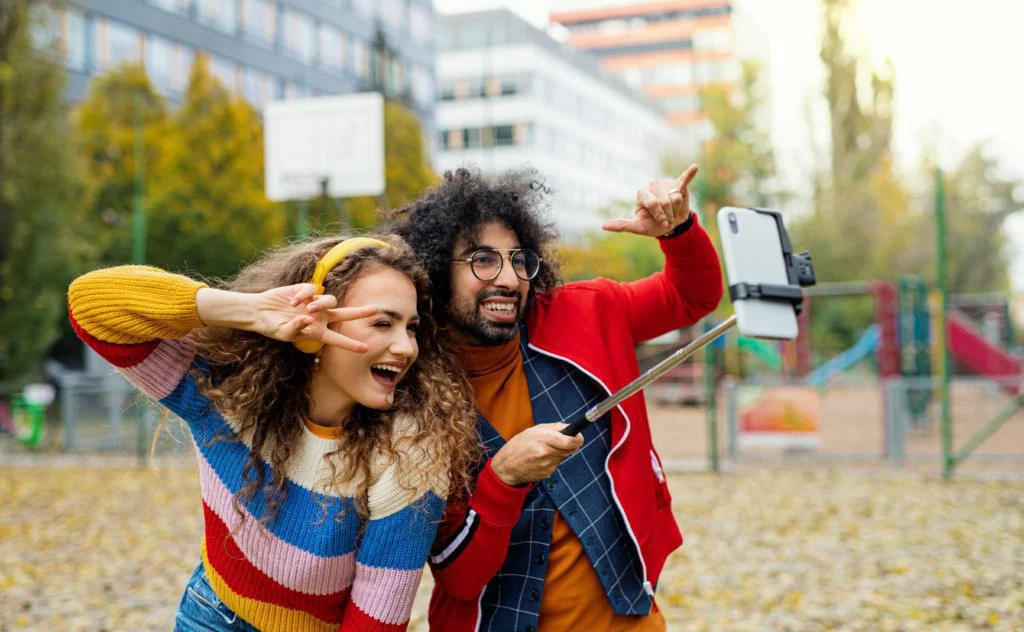 Building brands is hard. But the most successful brands have a two-way conversation with their customers. Stakeholder engagement is replaced by the meaningful exchange of ideas. What customers want is to feel engaged in a brand. This could be live events, multichannel practical advice, or fun contests. Depending on the brand’s marketing strategy, user-generated video as part of an experiential marketing plan can lift your loyalty score — and revenue bottom line — by up to 10 percentage points.
But with the impact of a global Coronavirus pandemic halting traditional experiential marketing, brands are turning to participatory video to replace or enhance experiential marketing. It is easier than you may think, thanks to a slew of new online video marketing tools.
What is participatory video?
Often called collaborative video, participatory video is a content marketing strategy that has emerged in the COVID world. Allowing many customers to share video content simultaneously, is a great way to build brand awareness through social proof. Participatory video is considered to be among the most valuable form of social media content, as it demands the ultimate test of loyalty from brand advocates. In experiential marketing, where brands invite an audience to interact with the business, using participatory video is a powerful way of building authentic branding material in the form of a two-way conversation. Through user-generated video the business can show its customers not just what the company thinks it offers, but what its customers think it offers. The key to understanding participatory’s video’s role in a brand’s experiential marketing strategy is to understand the size of your brand’s evangelist community. Not everyone is a sharer. In fact, over 90% of people never comment on Instagram feeds they follow. Fewer still contribute to Facebook groups they follow. Most people are, in the social media content jargon, ‘lurkers’. Would you allow, for example, your video clips held on your phone or device, to be used in a TV commercial by your favourite brand? Would you share videos you shot at an event to be used in the post-event showreel? For many, the answer is no. But for the top 5% of a brand’s customers the answer is “hell yes!”.How experiential marketing experts use participatory video
Participatory video was once just video conference calls. At the start of the pandemic, focus groups moved online and those events that weren’t cancelled went virtual. Virtual events have now ended up as massive television live broadcast productions, with prerecorded speeches interspersed with speakers with green screen virtual backgrounds. But with video conferencing the result can be a little inauthentic. The best most delegates can do is raise a hand or move to a breakout session in a virtual room. The best a brand can leverage is through Zoom product placement. Experiential marketing works best when it is genuinely collaborative. Depending on which sector you work in, effective participatory video can deliver more engaged customers, better-formulated policy, increased revenue or business innovation. If you want to know more about engaging customers through video read our 5 tips for successful customer engagement through regular user-generated video.Top participatory video ideas for 2021
As the world recovers from the COVID pandemic, business events are coming back to life. While it is unlikely to be business-as-usual for the events industry for years, live events are springing back to life in 2021. But while social distancing remains a recommendation in most jurisdictions and travel restrictions are still in place for others, live events will be augmented by virtual aspects.1. Add participant video messages to hybrid events
Hybrid events pose a great opportunity for participatory video in the experiential marketing setting. All events need content and delegate-sourced video content is the best of all. Some virtual events companies using the Vloggi collaborative video platform have sourced participatory video components such as:- Team-building challenges filmed at home. One large tech company replaced its annual family day with a mini Olympics for its largely home working staff. Workers filmed themselves competing in events like furthest trashcan paper toss and funniest face freeze. These were then uploaded and shared live during breakout sessions.
- Video exhibitor listings. A great part of any conference is its exhibition floor. But with events moving online, much of the exhibition floor space is gone to the cloud with virtual attendees. But with an integration of a user-generated video upload platform into the registration process, event exhibitors can add a video listing to the profile. Pick a system that combines the event database with user-generated video to produce fully branded video listings.
- Virtual acceptance speeches. When the New South Wales Education Standards Authority (NESA) realised it would have been impossible to stage its annual First in Course event for the Australian state’s top achieving high school students, it reached out to Vloggi to replace the traditional acceptance speeches with video messages. The live event took place with social distancing and virtual handshakes done via Zoom.
2. Experiential marketing content contests
Letting your brand loyalists define their own vision of your brand is key to effective experiential marketing. Participatory video should not be the brand issuing a septic brief and getting professional videographers or influencers to shoot to a brief. That’s advertising. Instead, content contests are an effective way to get to remote locations at a time when travel is hard and budgets for film shoots low. When you have a vision of what you want to achieve, pick a video platform like Vloggi that makes it easy to source, manage and produce video from your customers, colleagues or community- Run a prize-based contest competition. When Australian tyre and auto repairs shop JAX Tyres & Auto wanted to penetrate the 4×4 segment during the peak of COVID in 2020, it could not go and shoot new high quality footage for its social media ads. Instead, it opened a contest on Vloggi adding an awesome prize for Australian four-wheel drive owners to upload video clips already on their phone. The response was amazing, with JAX able to produce over 25 compilation videos of bone-crunching mud munchers rocking up and down hills and valleys. Read our case study: How JAX Tyres & Auto used a video contest to activate its 4×4 enthusiasts and create authentic video content for social media marketing
- Product-in-action videos. Large consumer brands have jumped onto collaborative video platforms to source these authentic videos. Recently Coca-Cola urged its drinkers to upload video clips of them enjoying the social moment. The company’s experiential marketing team developed a software solution in-house, but there are software-as-a-service platforms available like Vloggi to do the same for a fraction of the cost.
3. Multi-perspective events
Once live events come back online, they are expected to be limited in numbers, either through regulation or simply depressed market demand. However, those at the event have a special purpose of disseminating the event to those who cannot make it. This is true participatory video in effect. Delegates at trade shows may not film the keynote speeches, that is the domain of professional event videographers. But the fun and games of the exhibition floor and the networking parties all have moments that are captured on video by delegates. You can use any video crowdsourcing platform to collect these easily and turn them into compelling and authentic video stories to share on social media platforms.- Instant fan reaction to sports matches. A major team in the National Rugby League championship in Australia uses a crowdsourced video platform to produce instant match reaction videos after each half of the game. Fans record a quick 15 second analysis and upload it to the platform. The team’s experiential marketing team then merges the best clips into quick reaction montages and displays them over the stadium screens and over the live feed for fans at home.
- Fashion shows. Urban fashion brands have long been pioneers in experiential marketing, lending their events spaces to skateboarding contests, graffiti open walls and flash mob impromptu fashion shows. The pandemic changed that and many have moved their experiential marketing online thanks to participatory video. The primary channel is Instagram and TikTok, where loyal followers interpret their own version of the fashion label’s brief. But as the trend moves upmarket, expect more like Finnish designer Jukka Rintala who’s 25th anniversary Helsinki runway show was captured by all those alongside the catwalk and sequenced into a multi-angle video.
- Opening events and parties. A major international hotel chain recently had a small opening night for a new rooftop bar in Sydney, Australia. At the entrance, guests were asked to scan a QR code and contribute video clips to the hotel chain’s experiential marketing video. To maximise uptake, the MC reminded guests to shoot the fun aspects of the party and the QR code was posted in the elevator at the end of the night and also emailed as a code to the guest list. The result was over 2 hours of fully branded user-generated video footage perfect for social media content the next day and also stocking the corporate evade library.
- Weddings with absent guests. Weddings have been much maligned during the pandemic as super-spreader events. Caps on guest numbers and uncertainty have depressed bookings. But all this pent up demand has led to a surge in forward bookings, albeit on a smaller scale than in 2019. Whereas pre-COVID many bride and grooms were asking for no-phone weddings, letting the official photographers do their thing, the emerging trend is for participatory video to capture everything. Dutch-owned wedding platform PartyFlick specialises in crowdsourcing guests’ reception video clips and passing them onto the official videographer to compile into highlights videos. It has recently branched out to absent guests sending their best wishes to the happy couple via uploaded video messages.
4. Stakeholder feedback
- When you launch a stakeholder engagement strategy, content creation is often an afterthought. But all member-based associations and organisations have a crucial advantage over many others in the participatory video world: engaged members.
It is also to reflect the views of these fee-paying members in any presentation to the government or for internal communications. Many organisations have adopted experiential marketing techniques in their stakeholder engagement strategies during the COVID crisis.
- The Restaurant & Caterer industry association used apprentice chefs’ own experiences in video messages to promote the trade as a career to prospective trainee chefs. The association crowdsourced talking heads of both restaurant front-of-house and kitchen crew and stitched them together into compelling, authentic video montages as part of its Discover Hospitality Skills Passport campaign in 2019.
- A Pacific islands trade body is crowdsourcing video from businesses across the region to demonstrate the investment opportunities available Businessmen and women across the Pacific film not only themselves, but more importantly their business at work and products in action. In the case of coffee farmers, showing the entire production process from cherries through to either roasting or green beans is key to the quality control process for buyers. Without participatory video, the cost of flying crews would have been prohibitive.
- The Australian travel industry is battling to save the industry in the face of an almost total loss of bookings. Trade associations in the industry are using Vloggi to source video messages from travel agents and industry leaders across the country and then compile into compilation videos in order to get their message directly across to their elected representatives and senators. These politicians have taken note and one of Australia’s political parties is also now using Vloggi to power voter feedback gathering in video vox pop form.