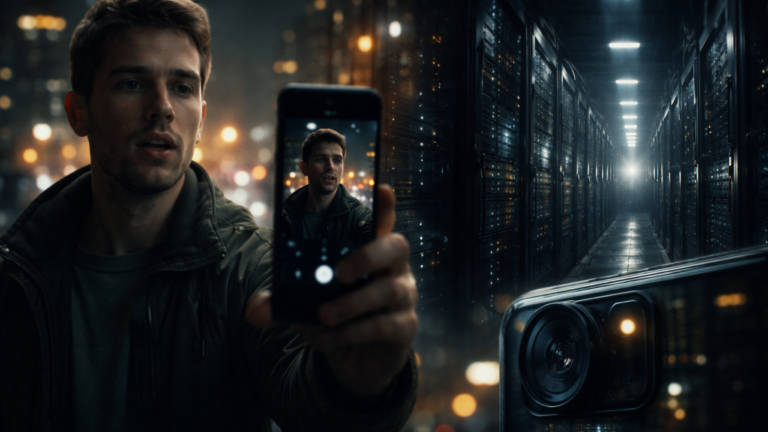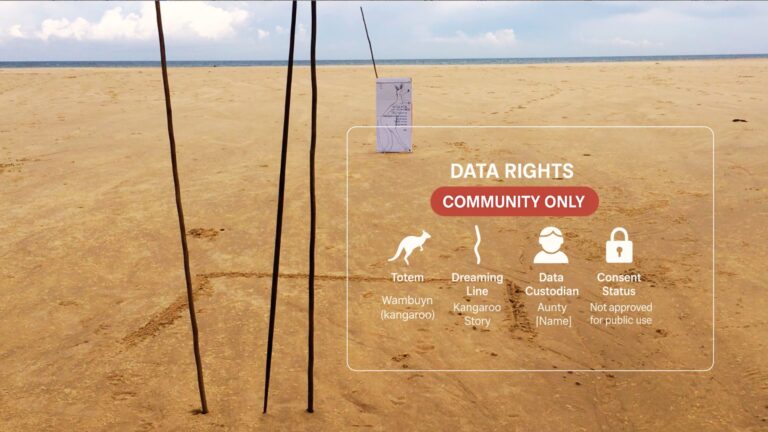
Your destination creates the experience. Your people capture the story. Your organization should come away with more than a social media mention.
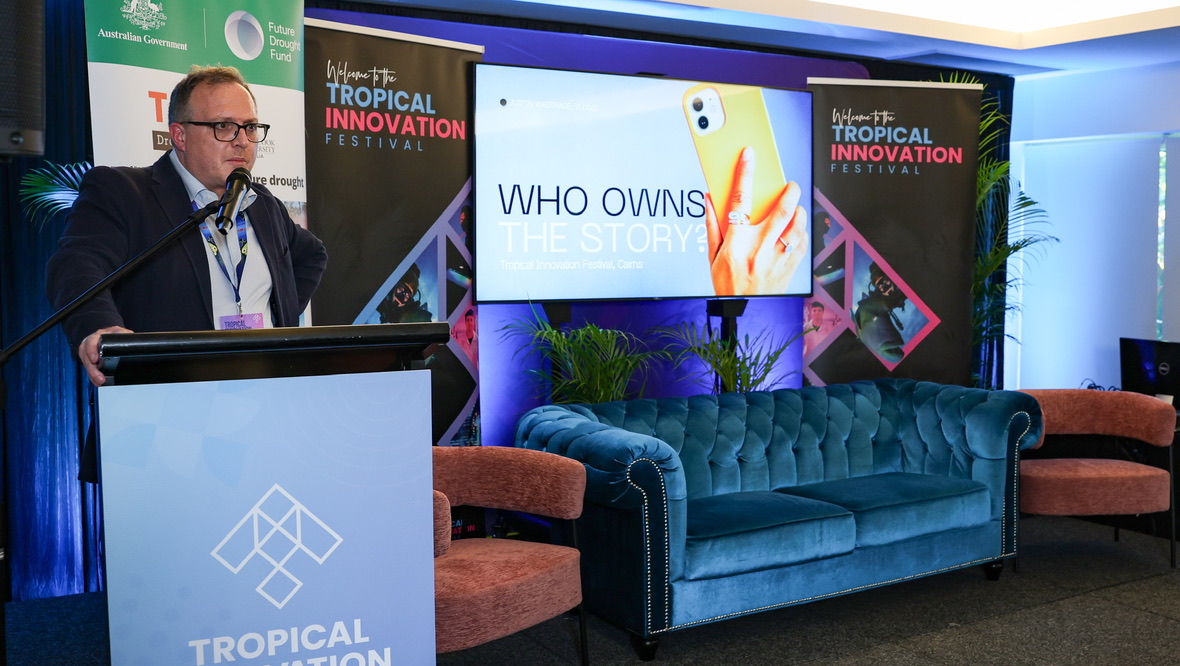
In his “Who Owns the Story?” keynote at the Tropical Innovation Festival in Cairns in June 2025, Vloggi founder Justin Wastnage explored a challenge at the heart of tourism marketing: how do you turn the experiences you help create into a video library you can actually use?
The opportunity goes well beyond asking visitors to post a hashtag. Staff, local operators, ambassadors and guests can all contribute original footage—giving destinations and travel businesses an ever-growing collection of human stories, with the rights to put them to work.
Watch the keynote
Who Owns the Story? — Justin Wastnage at Tropical Innovation Festival
Reach is valuable. Ownership is different.
Influencers bring creativity, audiences and a distinctive voice. A good collaboration can introduce a destination to people who might never have considered visiting it. But reach and ownership solve different problems.
A campaign can generate attention without giving the destination a reusable collection of original footage. The creator controls the story they publish. The platform controls how that post is distributed. The destination may still need to secure the rights and source files before using the footage in its own campaigns.
That is the disconnect behind the keynote’s central question: who owns the story once the campaign is over?
The answer matters when you want to refresh a website, promote a different season, support a local operator or build a campaign for a new audience. A link to somebody else’s social post is not the same asset as an original video in your own library, with its rights attached.
Build a library, not just a campaign
Think of every collection campaign as a contribution to a longer-lived resource. One visitor’s morning at a bakery, a guide’s introduction to a walking trail and a hotel employee’s view of a room can serve very different audiences—but together they make the destination easier to understand.
The useful asset is not just the finished promotional video. It is the collection of original clips behind it, organized so your team can find and reuse them.
Collect the location, contributor and context alongside the footage. Keep the rights assignment connected to the submission. Then the library can support accommodation listings, destination guides, seasonal campaigns, trade partners and future edits without starting the collection process again each time.
Your staff already know what visitors want to see
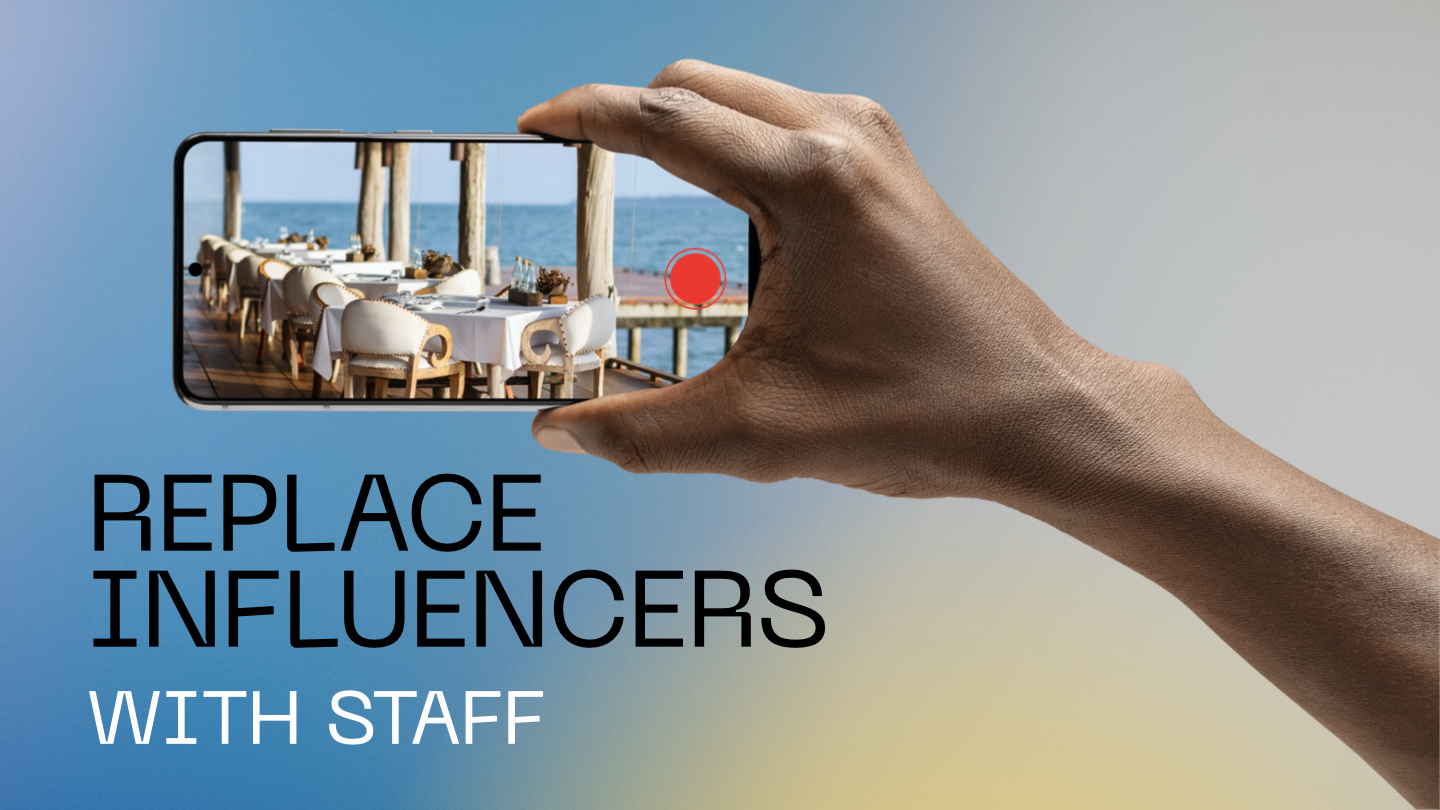
Staff see the destination every day. They know which room catches the sunrise, what happens before a tour departs and which questions guests ask most often. That knowledge is an excellent starting point for useful video.
Give people a simple prompt rather than a production brief: show the view, explain the experience, introduce the person behind it. A short phone recording can answer a real visitor question while adding another original asset to the library.
This also makes collection repeatable. Instead of commissioning everything in one intensive shoot, your team can keep the footage current as experiences, seasons and facilities change.
Bring operators and ambassadors into the story
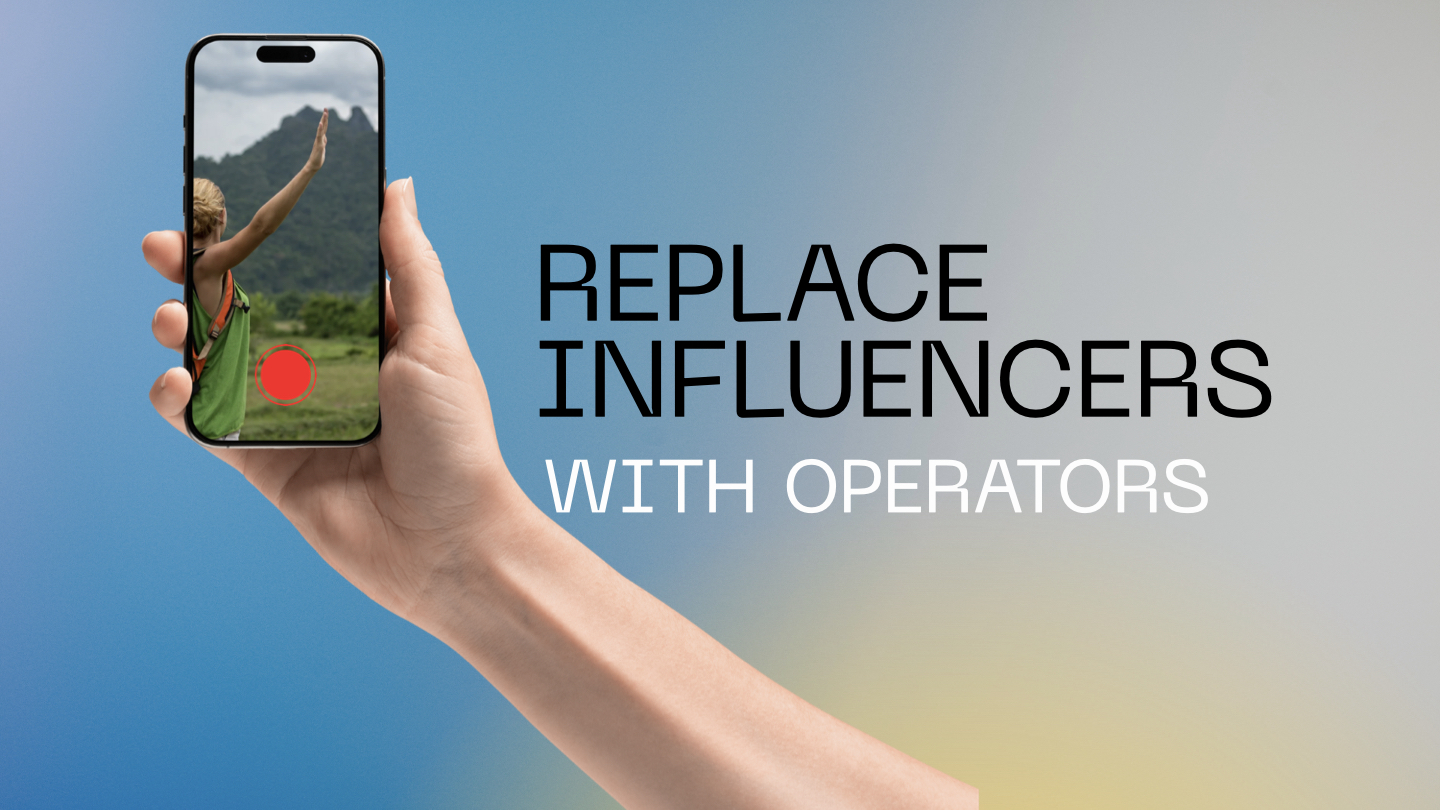
For a destination organization, the people running accommodation, attractions, tours and hospitality businesses are a distributed network of storytellers. They have access to the places and moments a central marketing team cannot film every day.
Invite operators to update their video listings, introduce a new experience or show what is happening this month. Add ambassadors who can share local knowledge and help visitors discover places beyond the most photographed landmarks.
A shared collection workflow turns those contributions into a destination-wide resource. Operators provide the local detail; the destination team can organize the library and build a bigger story from it.
Let guests contribute more than a hashtag
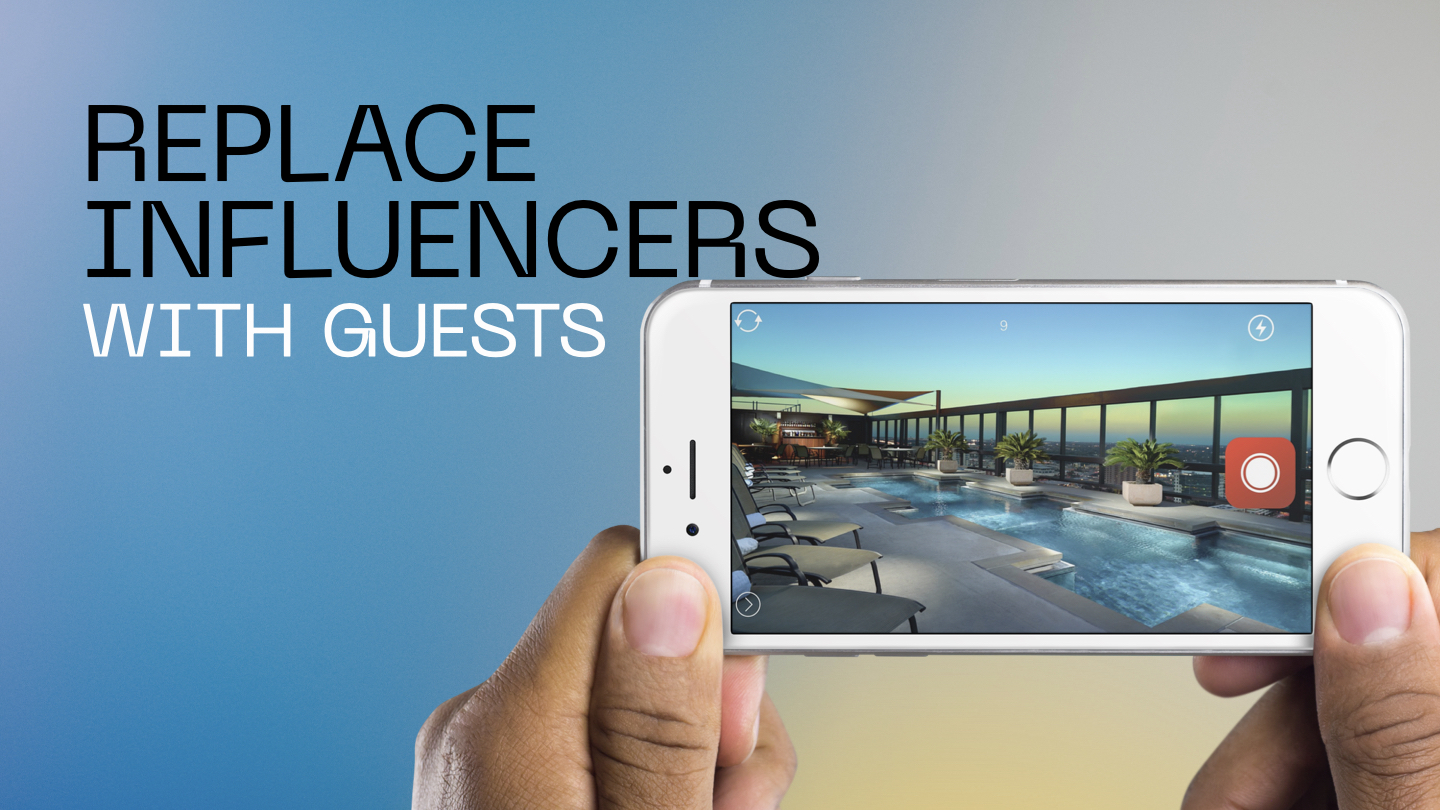
Visitors record what surprised them, delighted them and felt worth sharing. Invite them to contribute that perspective directly—not only to a social platform, but to the library your organization is building.
Ask a focused question: what was the highlight of your stay? What would you recommend to someone coming tomorrow? Show us the part of the experience you would come back for.
Video reviews, recommendations and short experience clips give future travelers something concrete to explore. They also complement staff and operator footage: one explains the offer, the other shows how it felt to experience it.
Collect the footage and the rights together
Vloggi brings video submission and content-rights assignment into the same workflow. Contributors submit their footage and accept the assignment form, transferring the rights covered by that agreement to the client. The consent record stays connected to the video.
That connection is the difference between a folder of interesting clips and a rights-ready video library. Your team can see who contributed the footage and the agreement attached to it, rather than trying to reconstruct permissions from messages after a campaign has finished.
It also keeps the focus on original, human-created footage: real people recording their experiences and contributing directly to your organization. Staff, ambassadors, operators and visitors become participants in a collection process—not merely accounts to tag.
Reusable. Searchable. Remixable.
The keynote describes the potential of owned content in four words: reusable, searchable, remixable and licensable. These are useful ambitions for any tourism video library.
- Reusable: Put a clip to work beyond the campaign that first collected it.
- Searchable: Find footage by place, experience and contributor context.
- Remixable: Combine original clips into new stories for different audiences and channels.
- Licensable: Build a resource that can support agreed partner uses, with the relevant rights in place.
Start with a clear collection purpose, a group of contributors and a simple invitation. Then build the library with each new submission. The lasting value is not a single burst of attention—it is a growing body of stories your organization can use.
Start building the travel video library you own
Bring staff knowledge, operator expertise, ambassador recommendations and visitor experiences into one collection workflow—with original footage and rights together.
This article draws on Justin Wastnage’s “Who Owns the Story?” presentation at the Tropical Innovation Festival in Cairns, June 2025. Presentation slides are reproduced from the original deck.
Justin Wastnage traveled guest of Tropical Innovation Forum and the Queensland Government.