
VLOGGI INNOVATION TIMELINE
Video innovation history: making video easier to collect, structure and trust
Vloggi’s video innovation journey began with a mobile storytelling prototype. From structured enterprise collection to Vloggi Verify, each generation has tackled a practical barrier between a person with a phone and an organization that needs usable video.
2018 The first structured-story prototype



Vloggi’s first prototype accepted video from distributed contributors, connected the clips to form inputs and combined them into a structured video story. It established the idea at the heart of the company: video can be collected as organized data, not merely received as loose files.
The prototype grew out of Life In My Hood®, a neighborhood storytelling format. South Australian Tourism Commission became the first paying customer, using the platform to produce neighborhood video guides. LIFE IN MY HOOD is a registered Australian trademark (No. 1821537), registered in 2017.
2019 Consumer app, customer validation and worldwide contributors


Before COVID-19, Vloggi’s short-form consumer app had attracted users around the world. People recorded 10-second micro-vlogs, combined them into stories and added overlays. The app was used on every continent, including Antarctica, as the Reho Travel example shows.
Watch Around the World in 100 Vlogs → for a snapshot of this worldwide community before the pandemic.
In December 2019, Vloggi was one of three joint winners of StartCon’s Pitch for $1m competition.
2020 Vloggi Studio becomes B2B SaaS

When the travel market stalled during the pandemic, Vloggi rebuilt around the broader need to collect stakeholder video. Vloggi Studio emerged as a subscription platform for marketing, internal communications, citizen engagement and scalable video operations.
2021 No-app web submission and public API
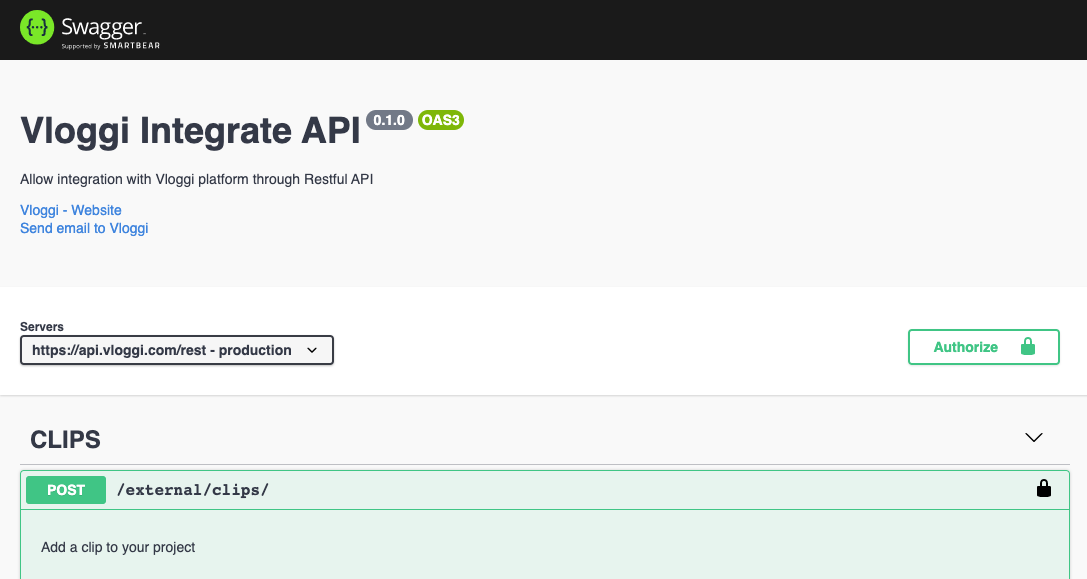
Browser-based capture removed the contributor-registration barrier: people could record or upload directly from a shared link. The public API made it possible to connect video collection with customer data and downstream systems.
2022 White-label distribution


Vloggi’s submission technology was distributed through a third-party product for the first time. SEMrush Video Collector demonstrated how a structured collection workflow could be embedded inside another company’s customer experience.
2023 AI-assisted analysis and audiovisual enhancement
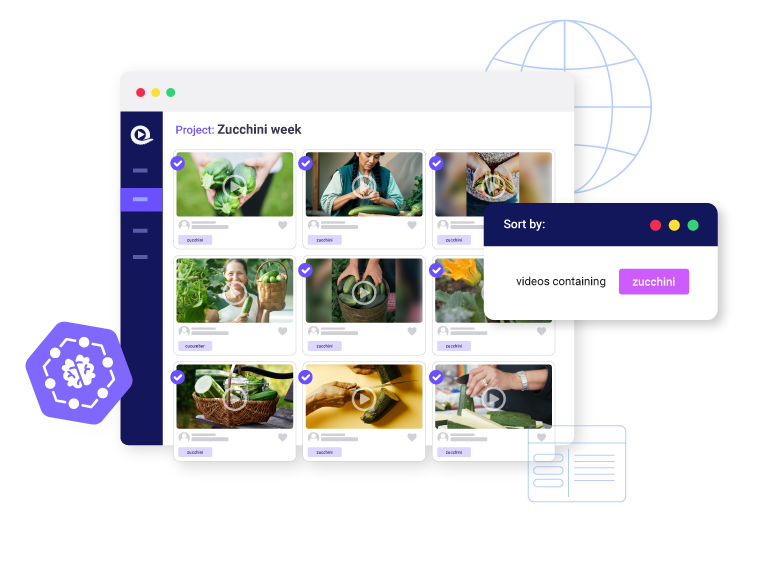
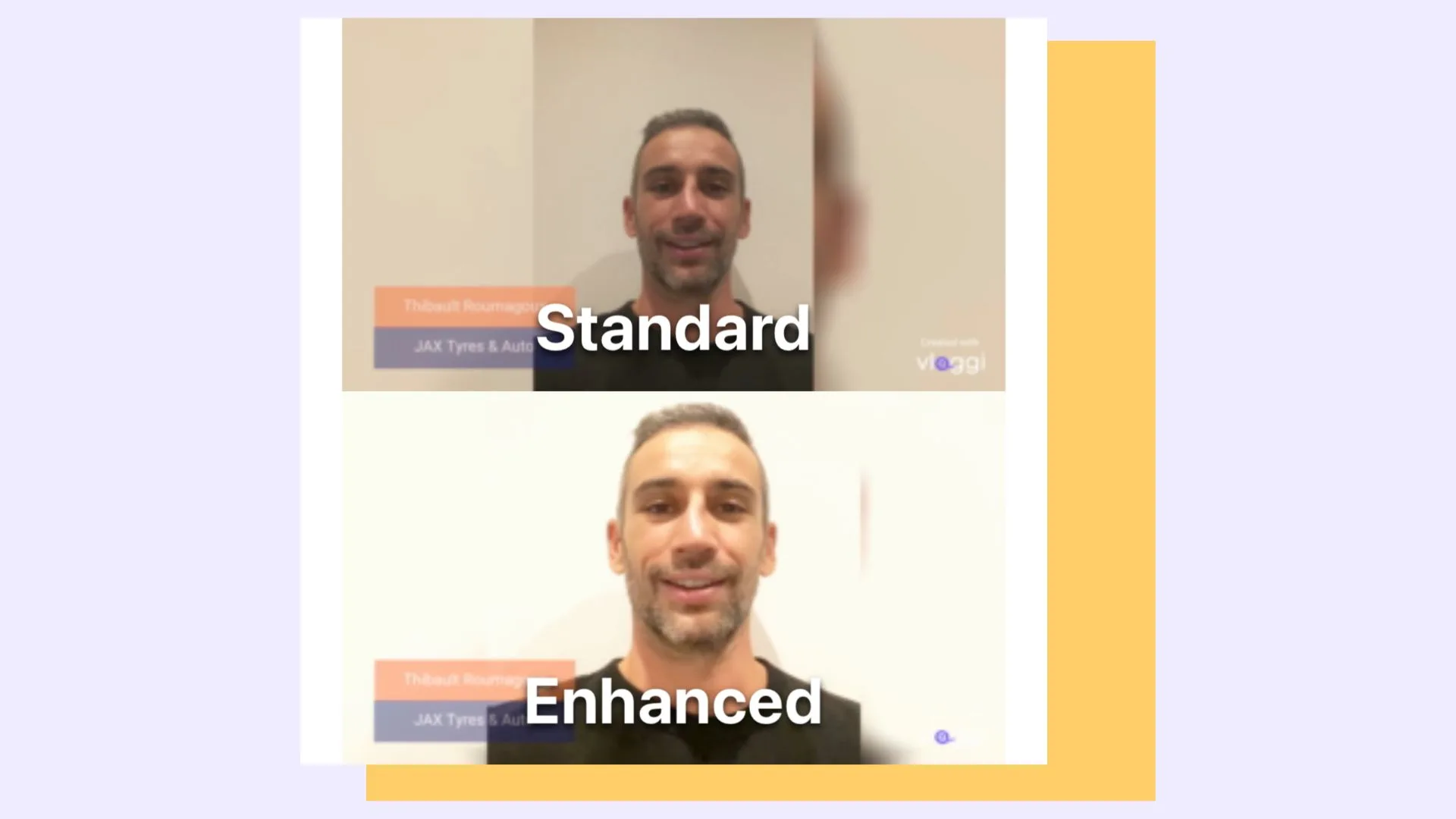
Vloggi added tools to help teams categorize submissions and improve consistency across footage captured on different devices and in different environments. AI assisted the workflow; people retained review and publishing control.
2024 Structured enterprise collection

Vloggi expanded the controls surrounding each submission: guided questions, contributor declarations, consent, reusable project structures and review-ready libraries. Video became easier to connect to compliance, research and operational processes.
2025 Human-in-the-loop labeling at upload
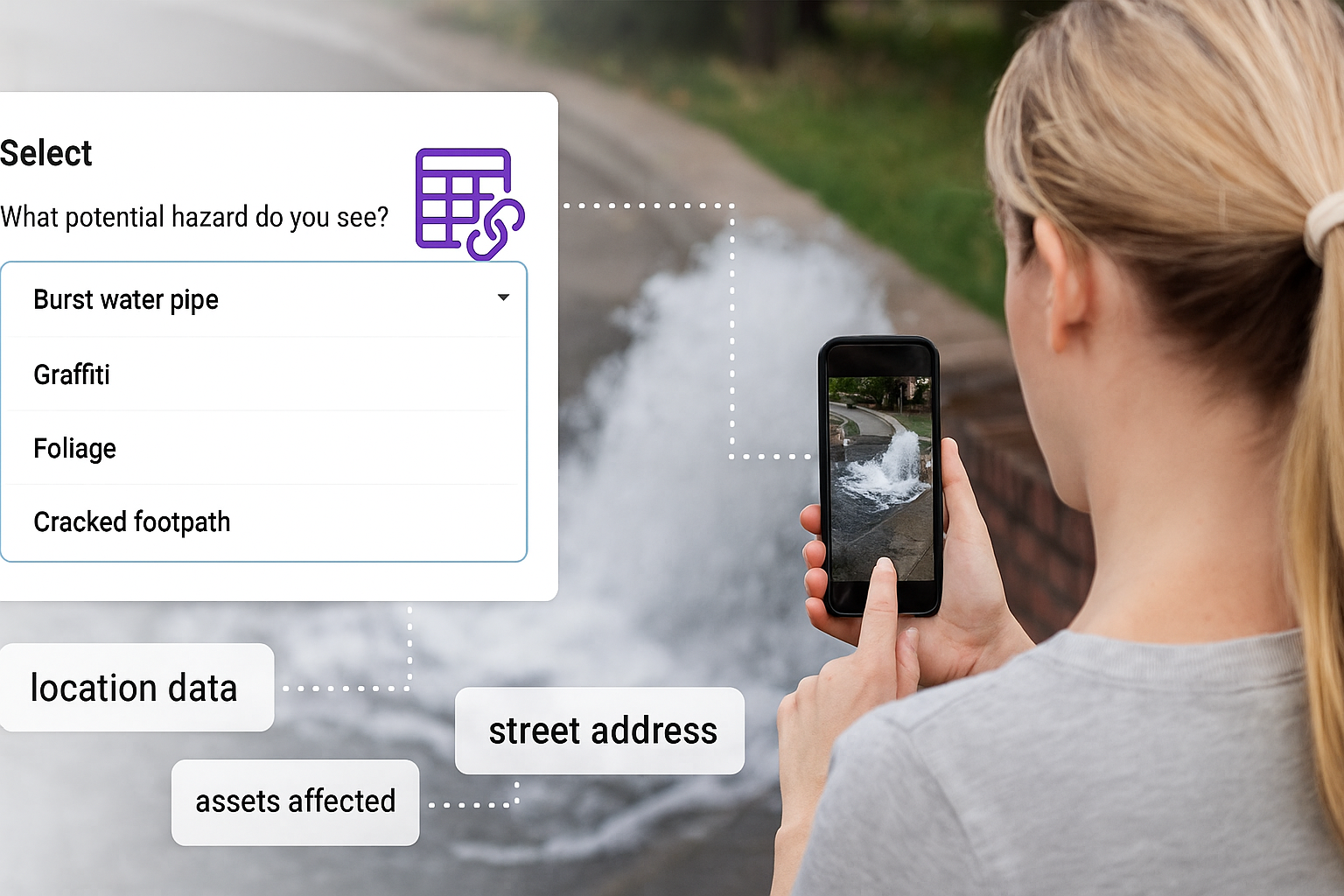
Structured contributor fields, validated lookup lists, privacy-preserving inputs and automatic library labels moved human context to the point of submission. The result was purpose-specific video that could arrive with useful labels and rights information already attached.
This was an important step towards consented human video datasets for computer vision and other AI-training workflows—while keeping data-governance decisions with the organization collecting the footage.
2025 A working VidProof prototype
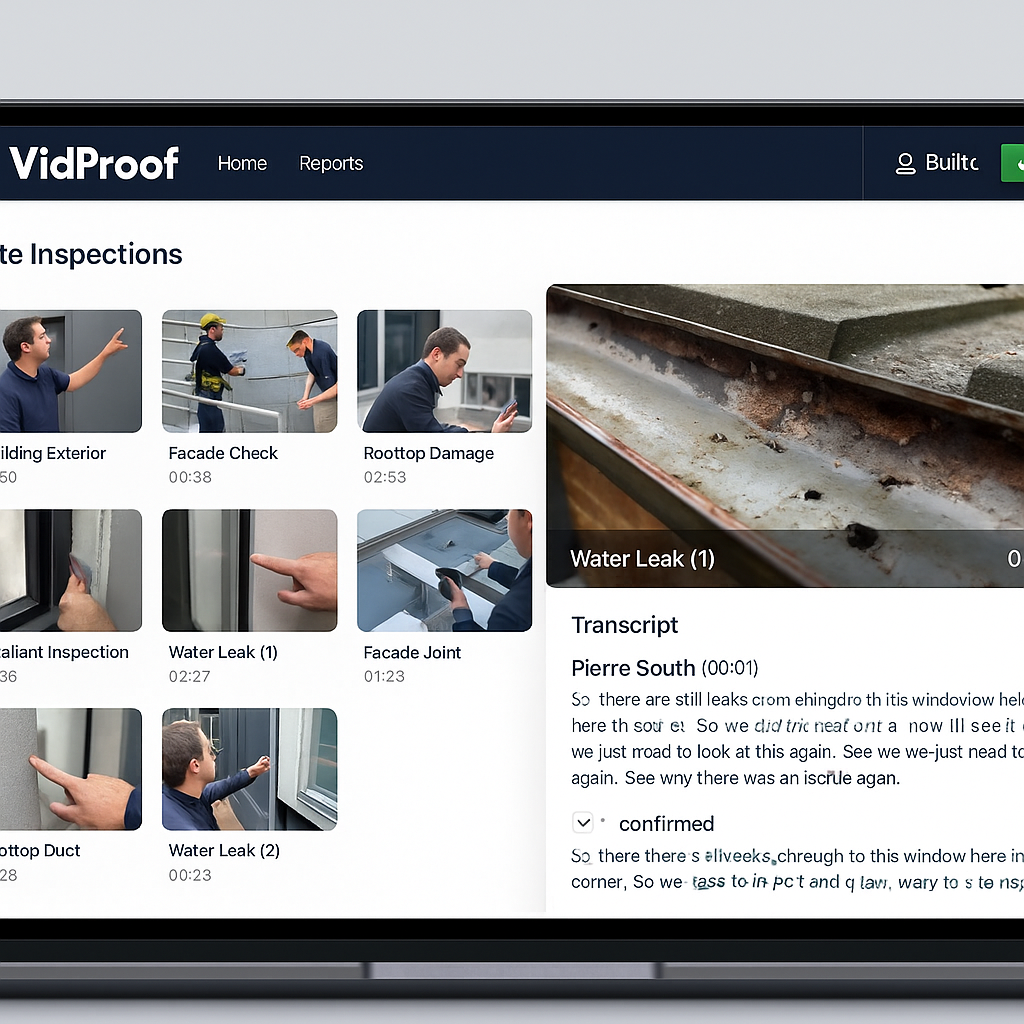
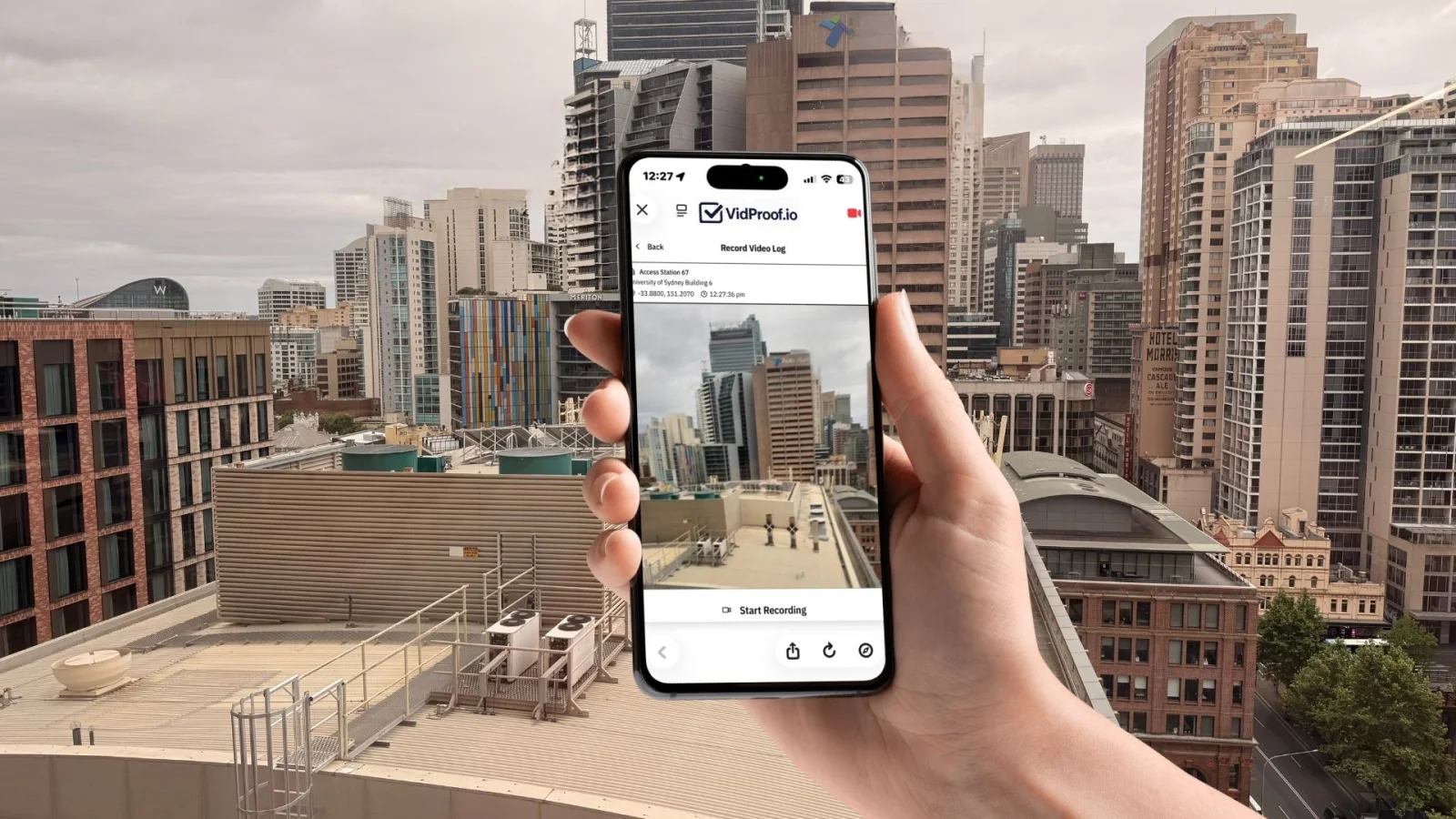
VidProof tested a mobile-first verified video log: a browser workflow that recorded video together with capture context and location for operational evidence. The working prototype helped turn provenance concepts into a practical field experience and informed the later Vloggi Verify direction.
2026 Vloggi Verify
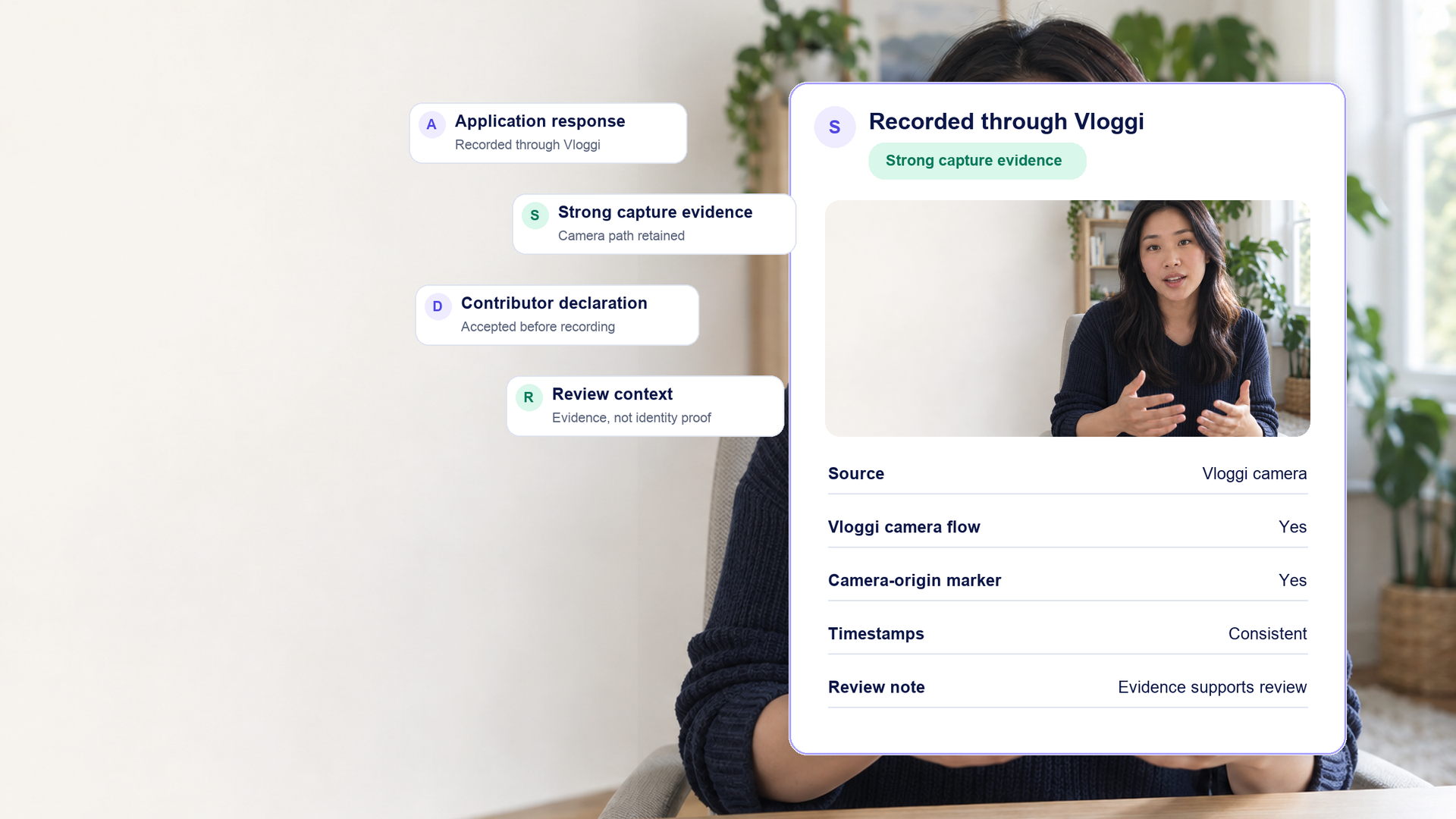

Vloggi Verify brings capture-path evidence, integrity signals and provenance context into increasingly AI-saturated workflows. It is designed to help organizations distinguish a controlled collection process from an orphaned file with an unknown history.
Patent milestone — 7 September 2026: Australian provisional patent application 2026907607 was filed in connection with Vloggi’s human-origin video verification technology.
Verification strengthens the evidence record; it does not guarantee identity, authorship or the truth of what a video depicts. Human review and fit-for-purpose controls remain essential.
The next milestone starts with a real workflow
See how Vloggi can collect permissioned, structured and review-ready video for your organization. The next stage of video innovation will be shaped by real workflows: what people need to capture, what organizations must retain, and what reviewers need to trust.