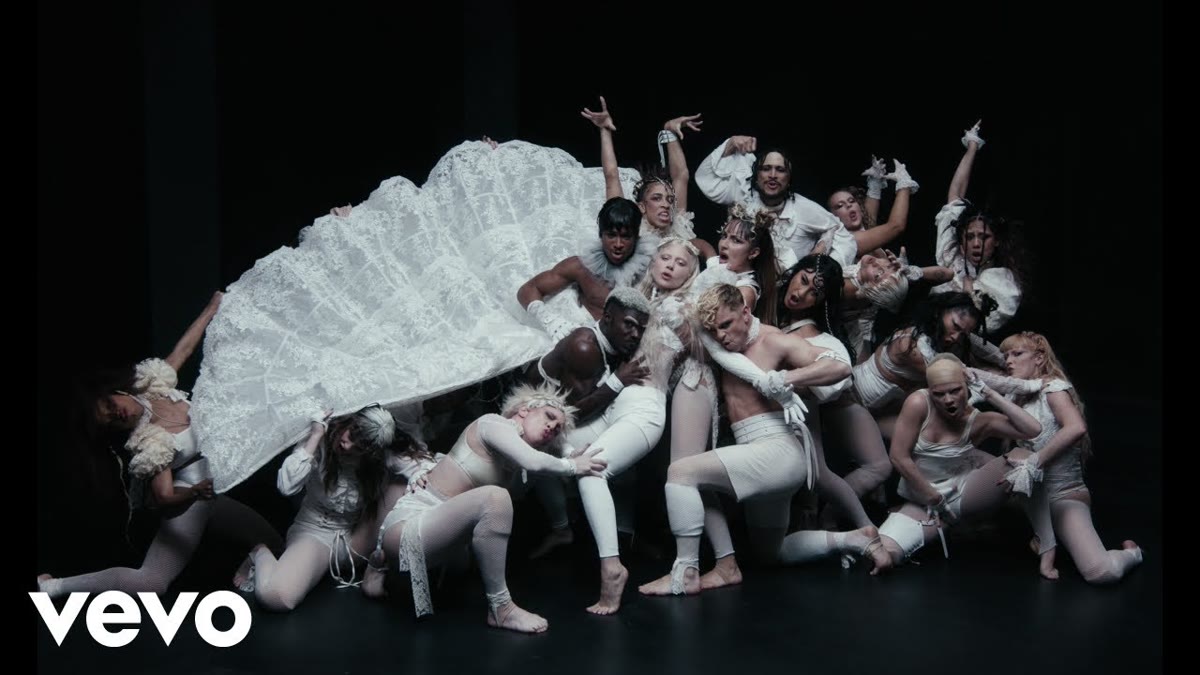
Watched Lady Gaga’s Abracadabra fan video and wondered how the dancers got there? The invitation began with fans filming themselves performing the choreography. A short video became an audition for a place in the production.
That is a compelling offer for an artist’s audience: learn the performance, show what you can do and become part of the release. For music marketers and producers, the interesting work happens between the public invitation and the finished film.
How the Lady Gaga Abracadabra fan video worked
In February 2025, Mastercard invited fans to record themselves recreating the Abracadabra choreography for a chance to appear in a special fan version. Its campaign story follows participants from filming their entries to rehearsing in Los Angeles.
Production company Merman’s account describes a new shoot with selected fans, directed by choreographer Parris Goebel. The submitted performances opened the door to a professionally produced fan edit. The collection stage was a casting process, with the final performance filmed together.
Watch the Abracadabra fan-edit project and Lady Gaga’s original Abracadabra video. Look at the connection between the choreography people were invited to learn and the experience offered to selected contributors.

Why a performance invitation gives fans a clear role
The task is easy to understand: perform to a song you already care about. Fans can practise, add their personality and see how their contribution relates to the artist. The possible outcome is visible too: a place in a production that celebrates the community.
For your campaign, define that relationship before writing the call-out. Will submitted performances appear in a compilation? Are they auditions for a later shoot? Will a selection be shown in a public gallery? Each format gives the contributor a different role and requires a different production plan.
Write a fan performance brief people can act on
For a music-video compilation, start by asking fans to mime or perform a favourite part of the song. For a casting challenge, specify the performance the reviewers need to see. Share the official reference version so everyone works to the same timing.
- Song section: a favourite verse or chorus, a specified passage, or the full track.
- Performance: miming, singing, dancing or playing along.
- Framing: face, full body or instrument, with a sample shot.
- Format: orientation, suggested length and deadline.
- Outcome: a fan edit, an audition, a shortlist or a live production opportunity.
A starting brief could say: “Choose your favourite chorus and film yourself miming or performing along to our official track. Keep your performance clearly visible and tell us which section you chose. Submit by [date] for consideration in our fan edit.” Adapt the publication permission and selection details to your actual campaign.
If the footage will be edited into the song, test synchronisation before launch. Give contributors a simple way to follow the reference track and capture enough timing information for the editor. For a complete plan, use our fan music video production guide.
Give every performance one clear submission route
A social challenge helps spread the invitation. A dedicated entry workflow gives the production team a consistent place to receive footage, contributor details and answers. Explain every step, especially when a public post and a separate entry form are both required.
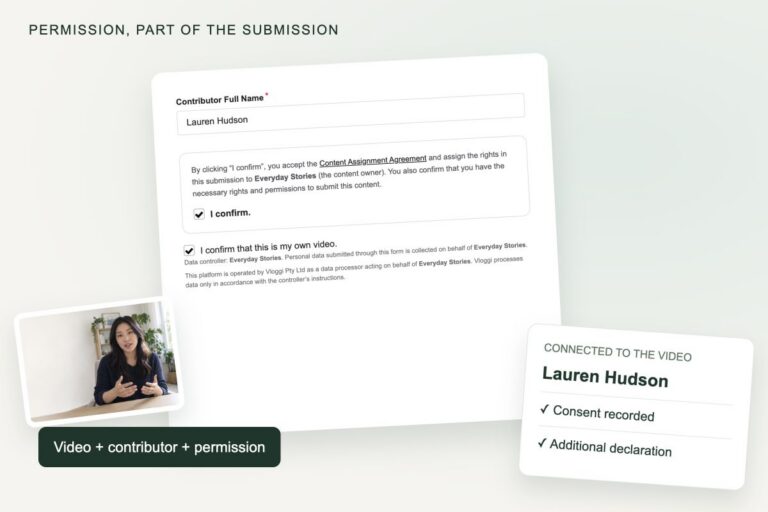
For a campaign you run with Vloggi, share a browser-based video submission link. Ask for the song section, performer name and follow-up information needed for review. Collect consent and additional declarations in the same workflow so the acceptance stays with the contribution.
Choose the review process before the entries arrive
Agree what makes a useful performance: the requested section, visible movement or expression, timing and suitability for the finished project. Give reviewers the same criteria. Separate a creative shortlist from the final decision about who can take part in a shoot or whose footage will be published.
If selection leads to a new production, plan availability, travel and rehearsal communication. If you are editing the submitted clips, organise the shortlist by section of the track. Those are different hand-offs; deciding early helps the team ask for the right information.
Make the publication experience part of the invitation
A fan edit can extend beyond the music video into social cutdowns, behind-the-scenes stories and a public showcase. Tell contributors which uses are planned. For a gallery, decide which performances will be approved, what contributor details will be visible and whether audience votes have a role.
When you need a fresh, authentic response, video recorded through Vloggi’s controlled workflow is tamper-proof and cannot be faked. Choose that recording route for the contributions where fresh capture matters.
Give the fans their release moment
Tell participants when to watch, share the official link and deliver the credit or follow-up you promised. Track completed entries, useful performances, review time and the response to the finished release. These measures help you improve the next invitation.
For another fan-footage format, explore Charli XCX’s Forever. For fan projects produced with Vloggi, see HammerFall’s music-video campaign and Hamilton’s fan lip-sync project.
Make your fans part of the performance
Bring the track, filming brief and intended release. Build a collection workflow that connects each performance to its contributor and consent.
Explore Vloggi for music and fan campaigns · Book a Vloggi demo